
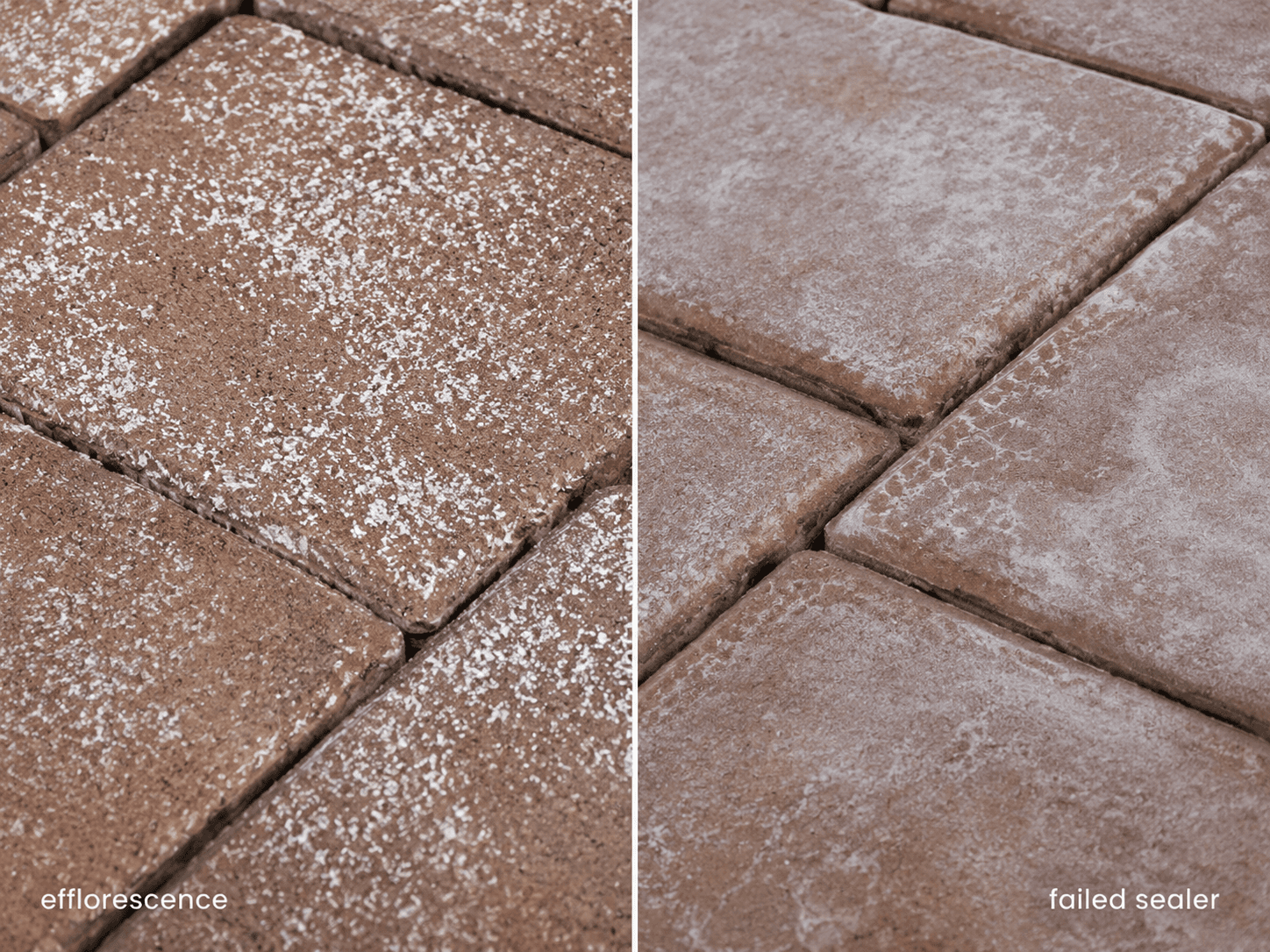
White discoloration is usually either mineral deposits on the surface or moisture trapped under a sealer film.
Key Takeaway
If the white material is powdery and sits on top, it’s often efflorescence. If it looks cloudy under the coating, it’s usually trapped moisture and sealer failure.
Why pavers turn white in Florida
Florida pavers deal with humidity, afternoon storms, irrigation overspray, and ground moisture. When moisture moves through a paver, it can either (1) carry minerals to the surface or (2) get trapped under the wrong type of sealer.
That’s why “my pavers turned white after sealing” can mean two different issues:
Efflorescence (a natural mineral deposit that sits on top of the paver).
White haze / cloudy sealer (also called blushing), which is usually moisture trapped under a non-breathable sealer film.
The good news: you can often tell which one it is with a few simple checks.
Quick diagnosis: on top vs under the coating
1) Does it feel powdery or chalky?
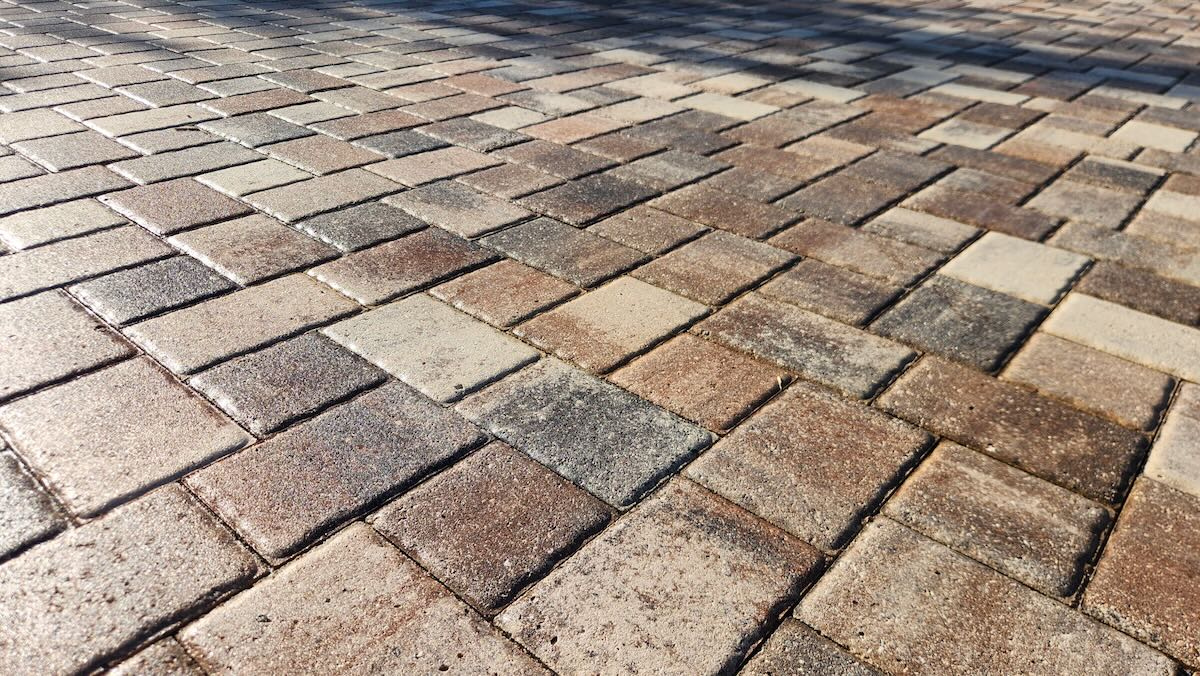
Efflorescence usually looks like a white or light gray dusting on the surface. It often feels chalky and may brush off (at least partially).
White haze from sealer failure usually does not feel powdery. It looks like a cloudy or milky film under the coating.
2) Does it wipe off when dry?
Try a dry microfiber towel on a small area.
If you see white residue on the towel and the spot looks cleaner, that points toward efflorescence.
If the white area looks unchanged, that points toward white haze under the sealer.
3) Where is it showing up?
Patterns can be a clue:
Efflorescence often shows up on newer pavers, after heavy rain cycles, or in areas where moisture moves up through the base.
White haze often shows up after sealing during high humidity, after sealing over damp pavers, or when a solvent-based sealer was used in a wet environment.
What efflorescence is (and why it happens)
Efflorescence is a white, powdery mineral deposit that forms when moisture carries natural salts or calcium compounds up through a paver. When the water evaporates, it leaves the deposit behind.
It can look dramatic, but it’s usually a surface deposit, not a permanently “damaged” paver.
How long does efflorescence last?
Efflorescence often diminishes over time as pavers age and the salts work their way out. On brand-new installations, this is one reason pros often recommend waiting 60 to 90 days before sealing, so early efflorescence can show itself and be addressed before it’s locked under a coating.
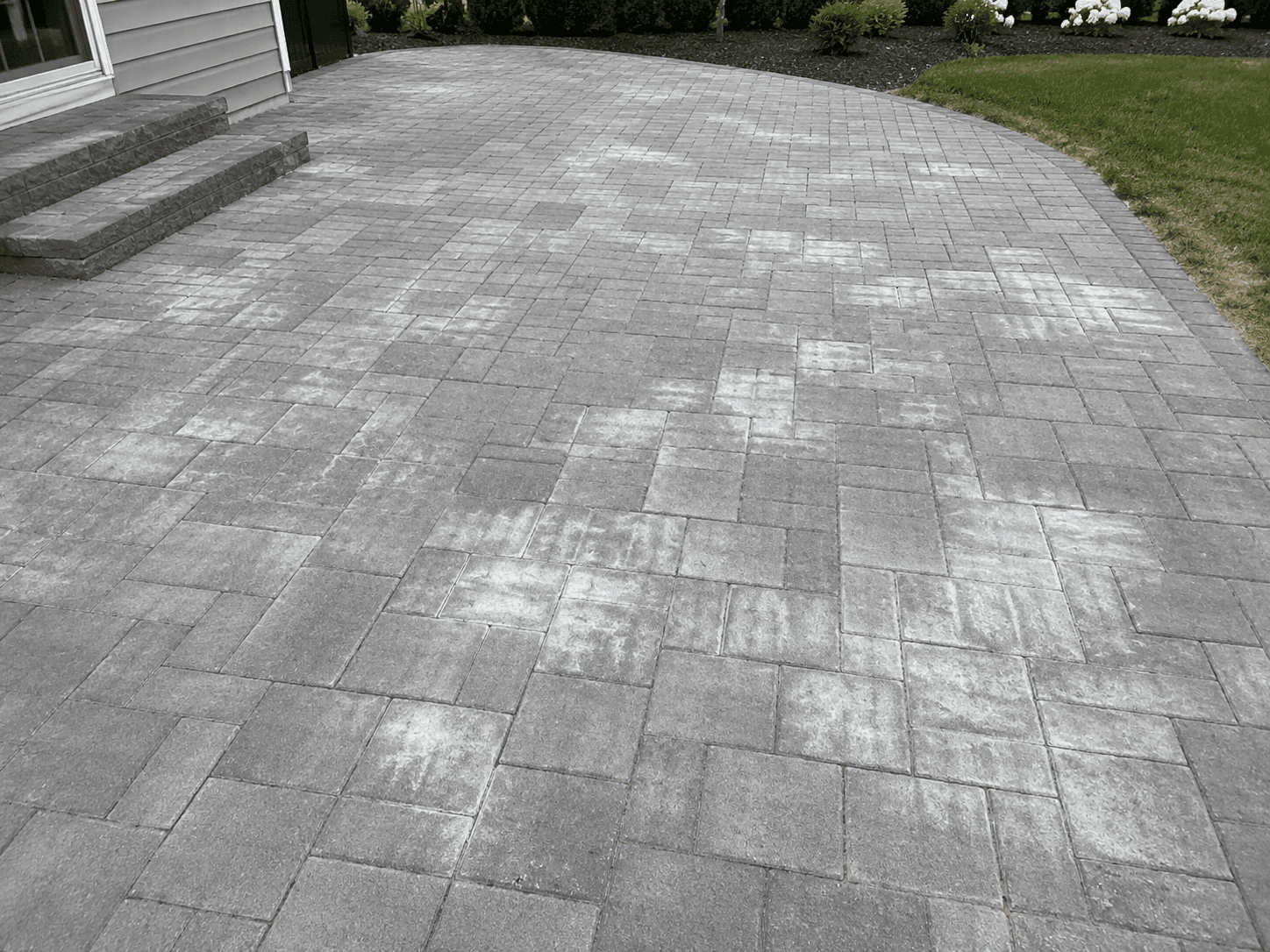
BEFORE
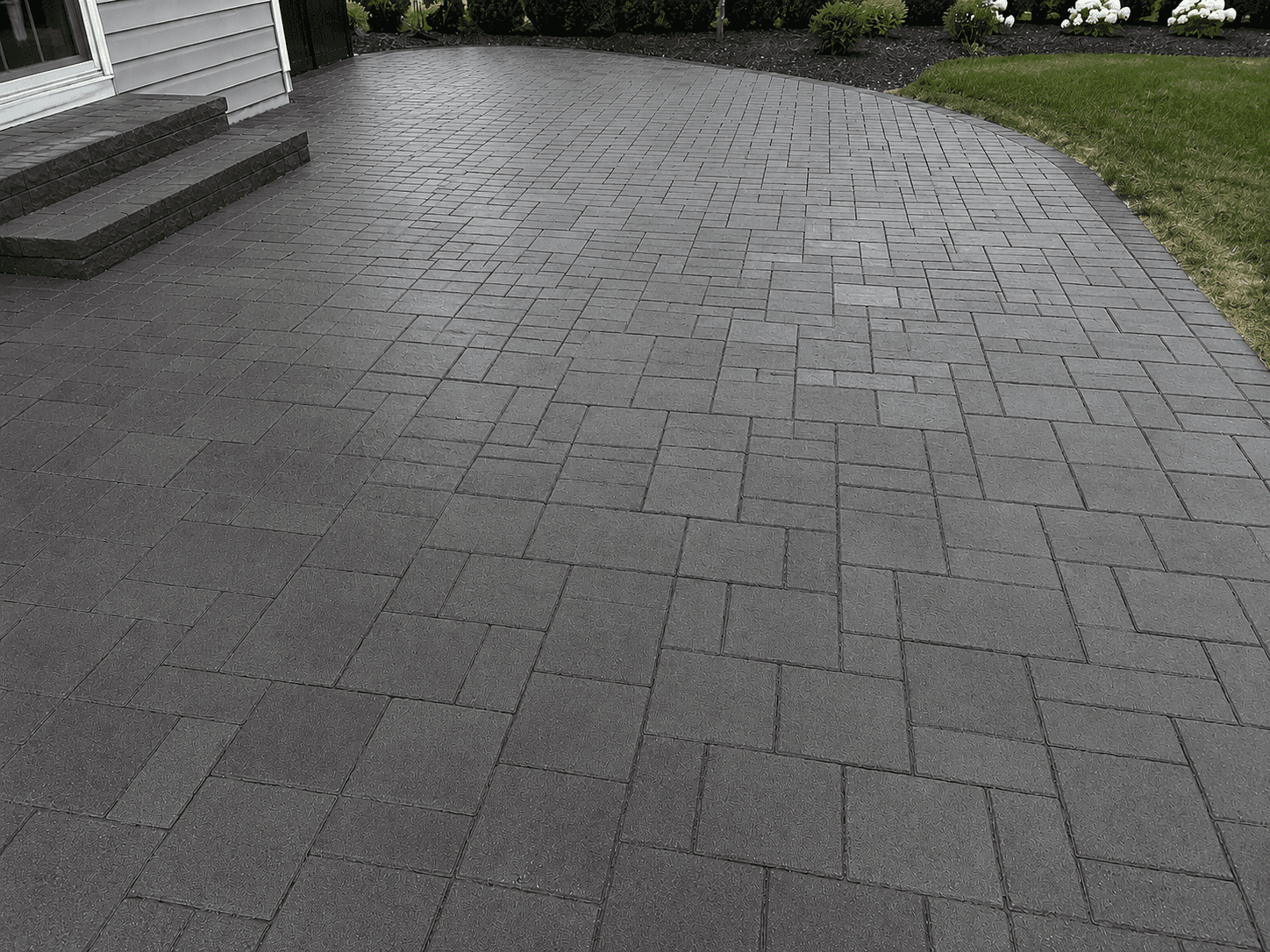
AFTER
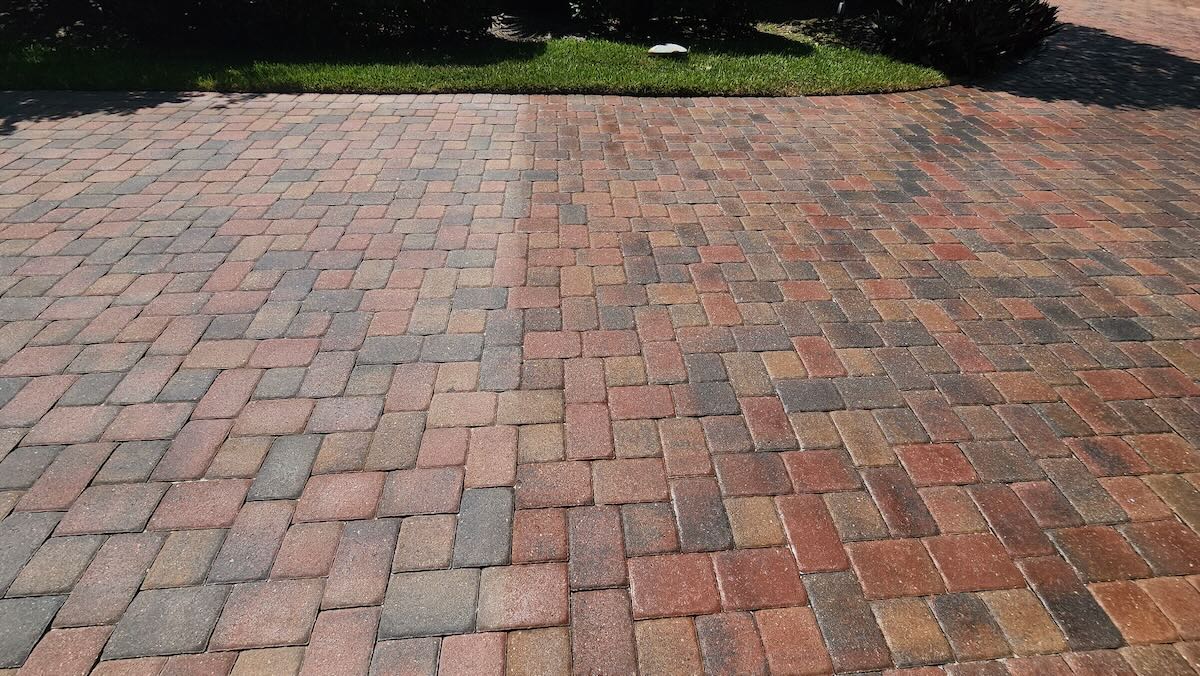
The right fix depends on whether the white material is on top of the paver or trapped under the sealer.
What white haze (cloudy sealer) is
White haze, cloudy sealer, milky pavers, or “blushing” is usually caused by moisture trapped under a non-breathable sealer. In Florida, this most often happens when the wrong product is used for the climate or when sealer is applied over damp pavers.
Common causes include:
Moisture trapped under a solvent-based sealer.
Solvent-based sealer applied over damp pavers.
High humidity during cure.
Over-application (4-6 coats).
Incompatible sealer layers.
What NOT to do if your pavers turned white
If the whitening is widespread, avoid these common mistakes:
Don’t seal over it. A new coat can trap more moisture and make the problem harder to fix.
Don’t assume every white mark is efflorescence. If it’s under the coating, surface cleaning won’t solve it.
Don’t chase quick chemical fixes without a spot test. Strong chemicals can etch pavers, remove color, or damage joint sand.
Safe next steps (Florida-friendly)
If it’s efflorescence
Start with the least aggressive approach:
Brush the surface when it’s fully dry.
Rinse and clean gently (avoid aggressive pressure that tears up joints).
If the deposit is stubborn, a pro can evaluate whether a controlled efflorescence cleaner is appropriate.
If the pavers are new or the deposit keeps returning, it’s important to address drainage, base moisture, and irrigation patterns.
If it’s white haze under the sealer
Widespread white haze usually needs the failed coating removed first. The reliable fix is typically:
Chemical stripping (to remove the failing sealer layer).
Thorough cleaning.
Proper dry time and moisture management.
Resealing with a breathable, Florida-appropriate water-based sealer.
In mild cases, “reactivation” may temporarily improve appearance, but it’s not a guaranteed permanent solution.
Why Castle Clean and Seal focuses on breathable water-based sealer
Castle Clean and Seal positions a premium water-based sealer made for Florida’s humid, wet climate as the safer standard for Central Florida pavers. The idea is simple: a breathable coating helps moisture vapor escape instead of getting trapped under an airtight film.
If you want a deeper comparison, see: Water-Based vs Solvent-Based Paver Sealer (Florida).
When to get a professional inspection
If you’re dealing with any of the following, it’s worth getting eyes on it before doing DIY experiments:
Large areas of cloudy white haze under the coating.
Flaking, peeling, or patchy gloss.
White discoloration that comes back after rain.
Loose joint sand (signs the surface needs full prep, not just a “touch-up”).
A quick inspection can prevent a costly redo and help you choose the right fix for the surface.
The bottom line
White discoloration on pavers usually comes down to one question: is it on top or under the coating?
If it’s efflorescence, it’s often a surface deposit that can be managed with the right cleaning approach and patience. If it’s cloudy sealer, the durable fix usually involves stripping and resealing with a breathable product suitable for Florida.
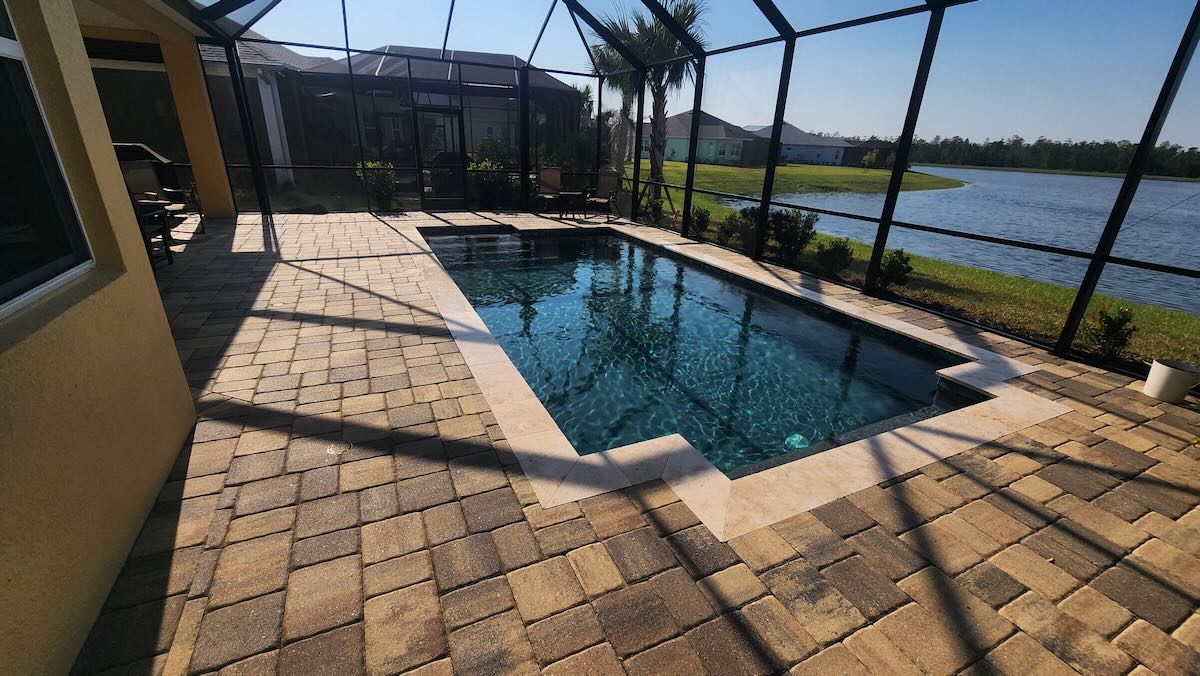
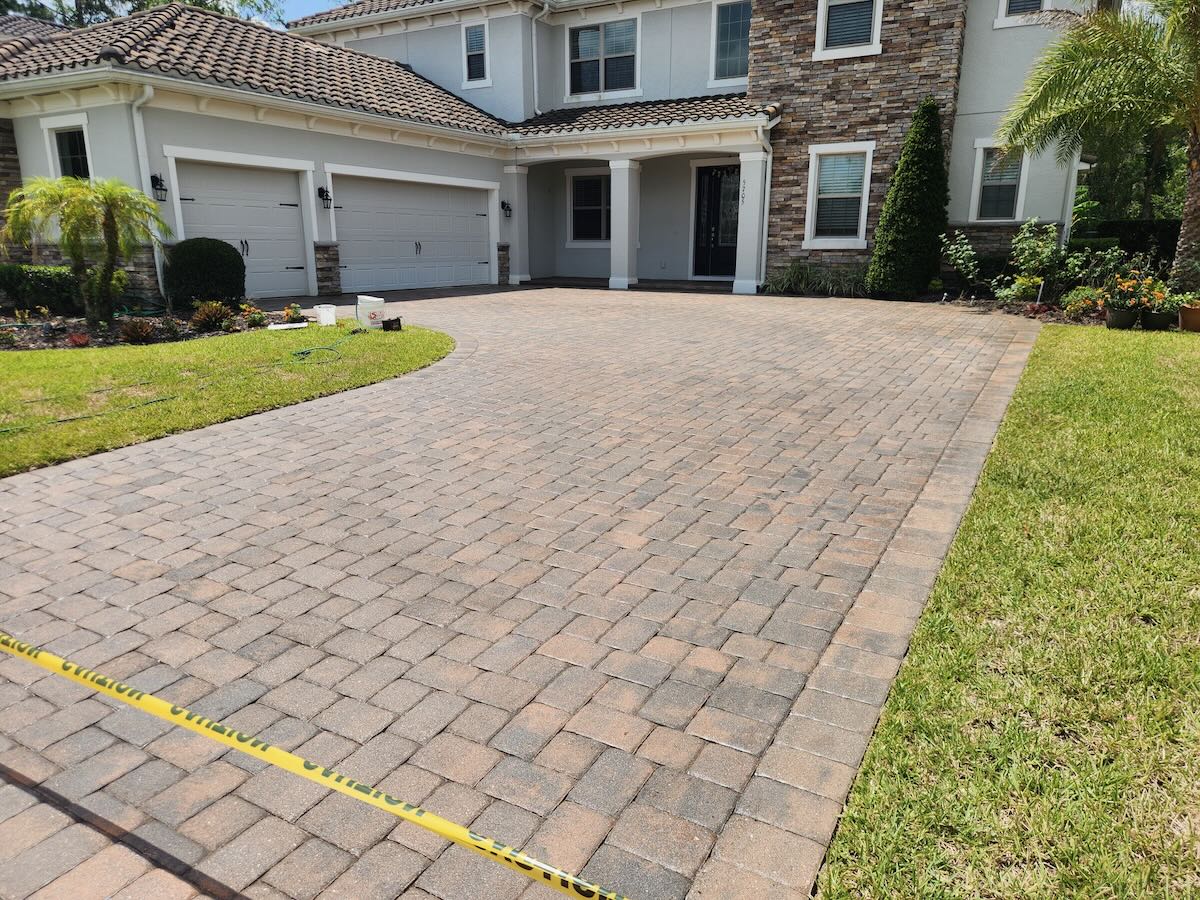
If you’re not sure which one you’re seeing, Castle Clean and Seal can help diagnose it and recommend the safest next step for your driveway, patio, walkway, or pool deck.
How do I tell if it’s efflorescence or white haze?
Does efflorescence on pavers go away on its own?
Can I seal over efflorescence?
Why does sealer turn white in Florida?
What’s the reliable fix for cloudy white sealer?
READY TO PROTECT YOUR INVESTMENT?
GET YOUR FREE SAME-DAY
QUOTE
Join 1,135+ happy Central Florida homeowners. Licensed & insured.
Takes 30 seconds · Same-day response · No obligation