Paver Sealing Tips
Solvent-based sealers promise a high-gloss shine — but in Florida's humidity, that shine often turns into a white, hazy mess within months. Here's why water-based sealer is the professional standard for Central Florida and what to look for when choosing a company.

Chance Sixma
🗓️
Mar 1, 2026
📖
9 Min Read
🔄
Updated -
Mar 1, 2026
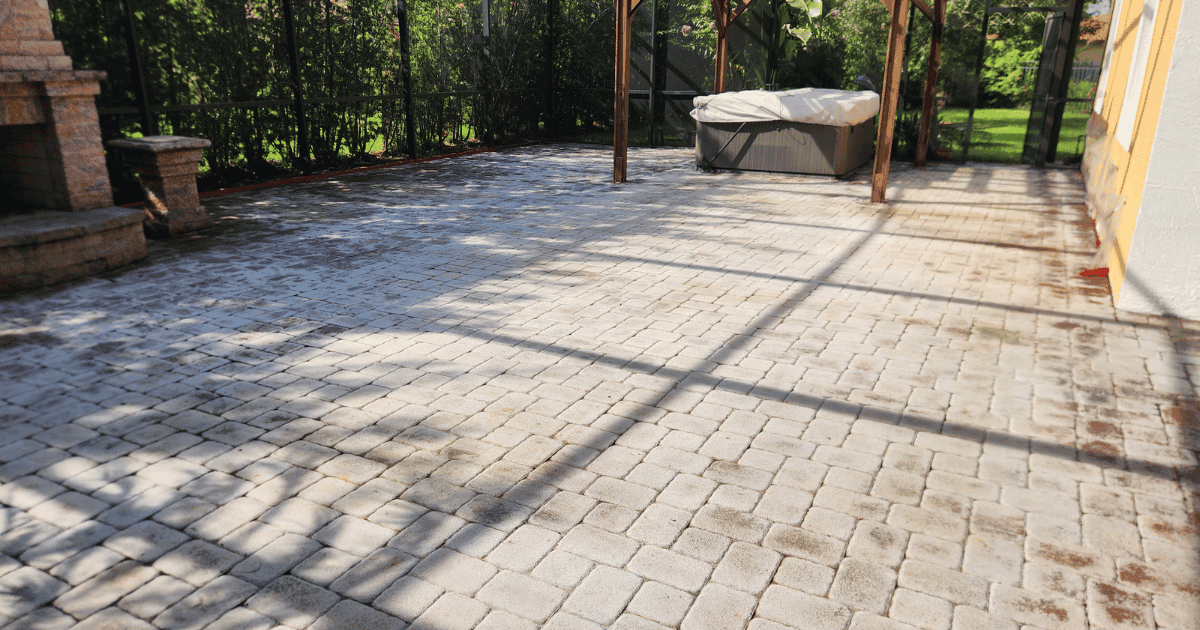
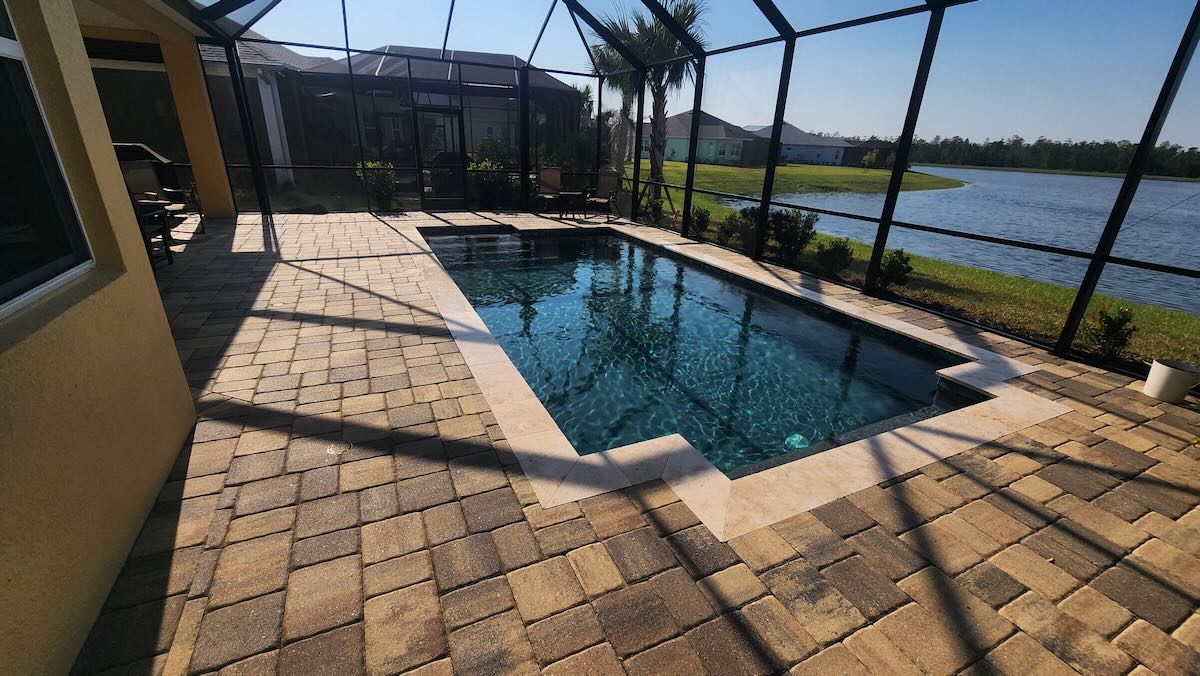
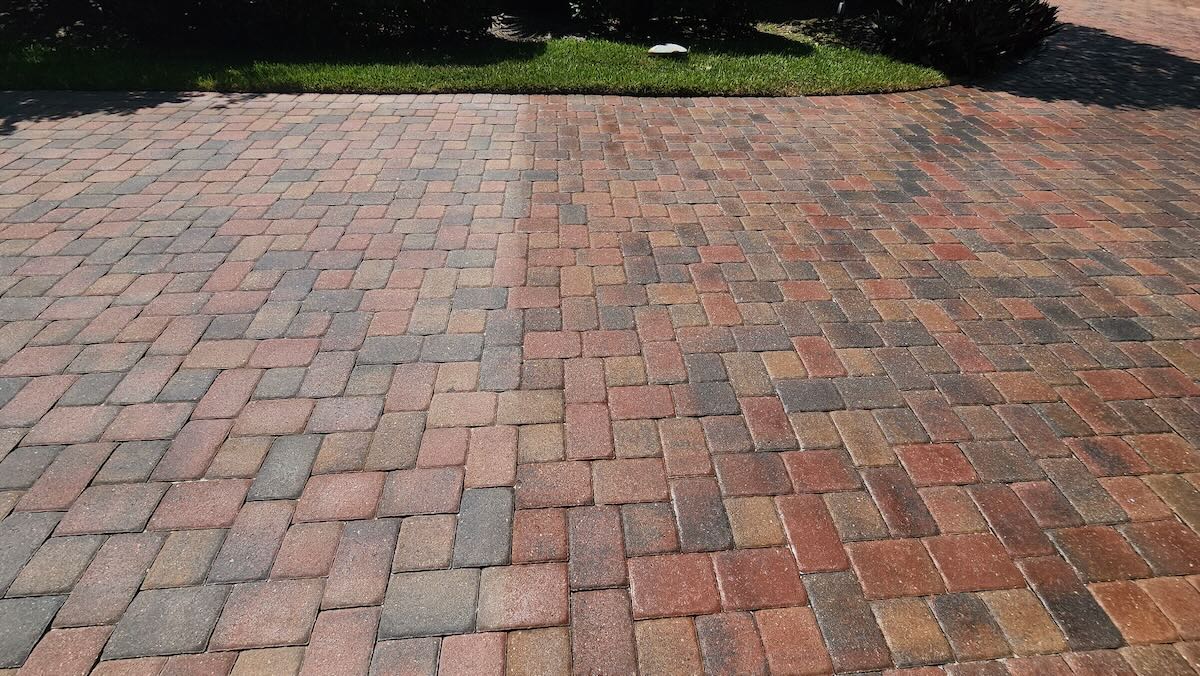
The difference between water-based and solvent-based paver sealer becomes obvious within months in Florida's humid climate.
Key Takeaway
Water-based paver sealer is the professional standard for Florida because it breathes — allowing moisture to escape rather than getting trapped underneath the surface. Solvent-based sealers create an airtight film that traps Florida's ever-present humidity, causing the white hazing and peeling that homeowners dread. Water-based sealers can be applied over damp surfaces, are waterproof on contact, produce lower VOC fumes, and last 2–3 years with proper application. At Castle Clean & Seal, we exclusively use a premium water-based sealer manufactured specifically for Florida's humid climate because it delivers better long-term results across all seasons — including during the summer rainy season.
WATER-BASED VS SOLVENT-BASED PAVER SEALER: THE SHORT ANSWER
For Florida homeowners, water-based paver sealer is the clear winner. It breathes, it handles humidity, it can be applied over damp surfaces, and it won't trap moisture underneath — which is the number one cause of the white, hazy finish that ruins thousands of paver sealing jobs across Central Florida every year.
Solvent-based sealers have their place in dry, low-humidity climates. But in a state where the average humidity hovers around 74% year-round and afternoon thunderstorms are a daily occurrence for half the year, solvent-based products create more problems than they solve.
At Castle Clean & Seal, we exclusively use a premium water-based sealer manufactured specifically for Florida's humid, wet climate. After 1,135+ paver restoration projects across Volusia, Seminole, and Orange Counties, we've seen exactly what happens when the wrong sealer meets Florida weather — and it's not pretty. This guide will help you understand the differences so you can make an informed decision and avoid a costly mistake.
HOW PAVER SEALERS ACTUALLY WORK
Before comparing water-based and solvent-based sealers, it helps to understand what's actually happening when sealer is applied to your pavers. Both types use polymers — the material that forms the protective coating on your paver surface. The difference is how those polymers are delivered.
Water-Based Sealer
In a water-based sealer, the polymer particles are suspended in water. When the sealer is applied to your pavers, the water evaporates and the polymer particles move closer together until they fuse into a continuous, breathable film. Because the carrier is water, the resulting film has microscopic spaces that allow moisture vapor to pass through — this is what "breathable" means in sealer terminology. The paver can release moisture from below without the sealer trapping it.
Solvent-Based Sealer
In a solvent-based sealer, the polymers are dissolved in a chemical solvent — typically xylene or acetone. When applied, the solvent evaporates and the polymers form a denser, less porous film on the paver surface. This film is essentially airtight, which is what gives solvent-based sealers their characteristic high-gloss, "wet look" finish. But that same airtight quality is exactly what causes problems in Florida's humidity.
WHY SOLVENT-BASED SEALERS FAIL IN FLORIDA
Solvent-based paver sealers are not inherently bad products. In dry climates like Arizona or Nevada, where humidity is low and rain is rare, they can perform well and deliver the high-gloss finish some homeowners prefer. But Florida is not Arizona. Here's what happens when solvent-based sealer meets Central Florida's climate.
The White Hazing Problem
This is the most common and most visible failure. When moisture gets trapped between the paver surface and the airtight solvent-based film, it creates a cloudy, white haze called "blushing." In Central Florida, moisture comes from everywhere — humidity in the air, irrigation overspray, rain, and even moisture rising through the paver from the ground below (Florida's water table is notoriously high). Solvent-based sealer has no way to let that moisture escape, so it gets trapped and turns your pavers white instead of the rich, enhanced color you were promised.
Peeling and Flaking
Because the solvent-based film can't breathe, trapped moisture creates pressure underneath the sealer. Over time, this pressure causes the sealer to lose adhesion and start peeling away from the paver surface in sheets or flakes. You'll notice it first in areas with the most moisture exposure — pool deck edges, areas near irrigation heads, and shaded spots where pavers stay damp longer.
Application Challenges in Humidity
Solvent-based sealers require a completely dry surface for proper application. The pavers need to be bone-dry — not just surface dry, but dry all the way through. In Central Florida, where humidity rarely drops below 50% even in the dry season, achieving truly dry pavers often means waiting 24–48 hours after cleaning before you can seal. And if it rains during that waiting period, the clock resets. Water-based sealers, by contrast, can be applied over damp surfaces because the carrier is already water — the sealer bonds with the moisture rather than being repelled by it.
The Stripping Problem
Here's where it gets expensive. If a solvent-based sealer fails — and in Florida, it usually does within 6–12 months — the failed sealer needs to be chemically stripped before new sealer can be applied. You can't just seal over a failed solvent-based product. The stripping process uses xylene or other harsh chemicals, adds significant time and cost to the project, and can sometimes damage the pavers themselves if not done carefully. At Castle Clean & Seal, roughly 20% of our projects involve correcting failed solvent-based sealer jobs from other companies. The correction work typically adds $1,500–$3,500+ to the total project cost — money the homeowner wouldn't have spent if the right sealer had been used in the first place.
💡 Castle Pro Tip
Ask any paver sealing company what brand and type of sealer they use before signing a contract. If they can't tell you — or if they say "solvent-based" or "acrylic solvent" — ask how they handle white hazing in Florida's humidity. If they don't have a clear answer, that's your sign to keep looking.
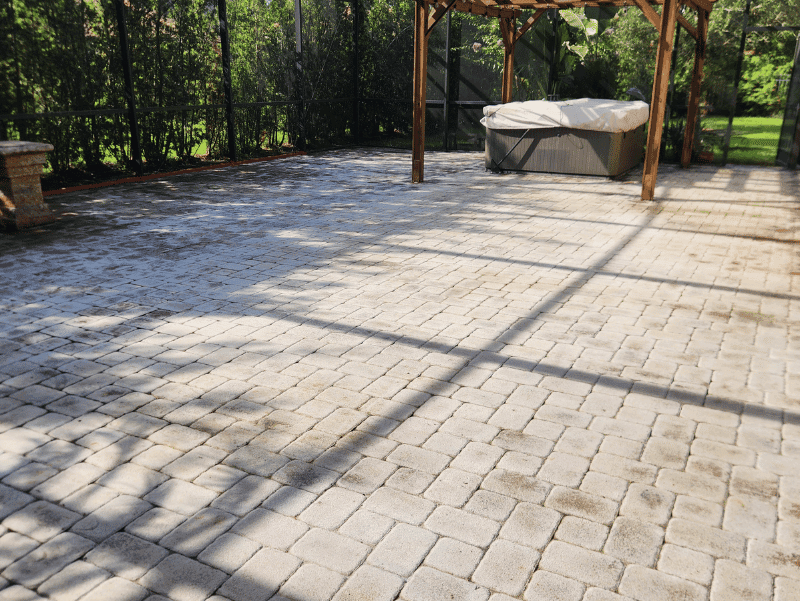
BEFORE
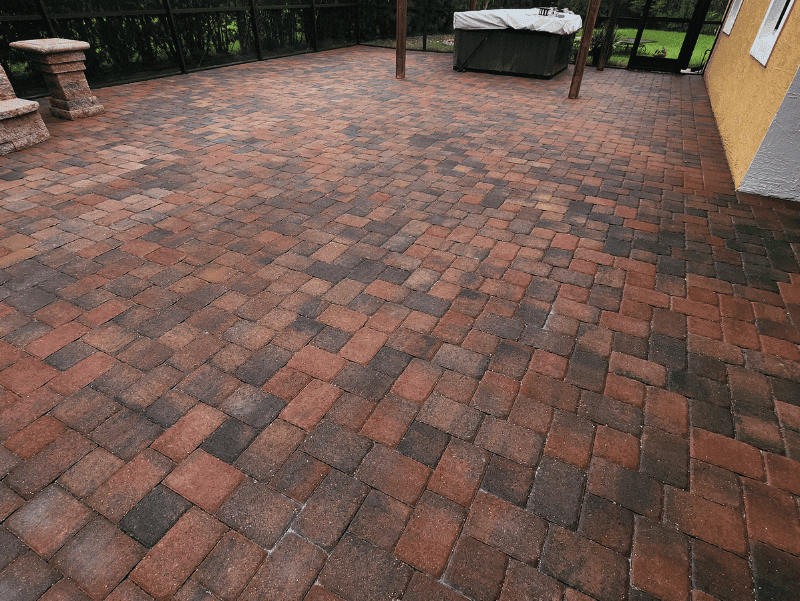
AFTER
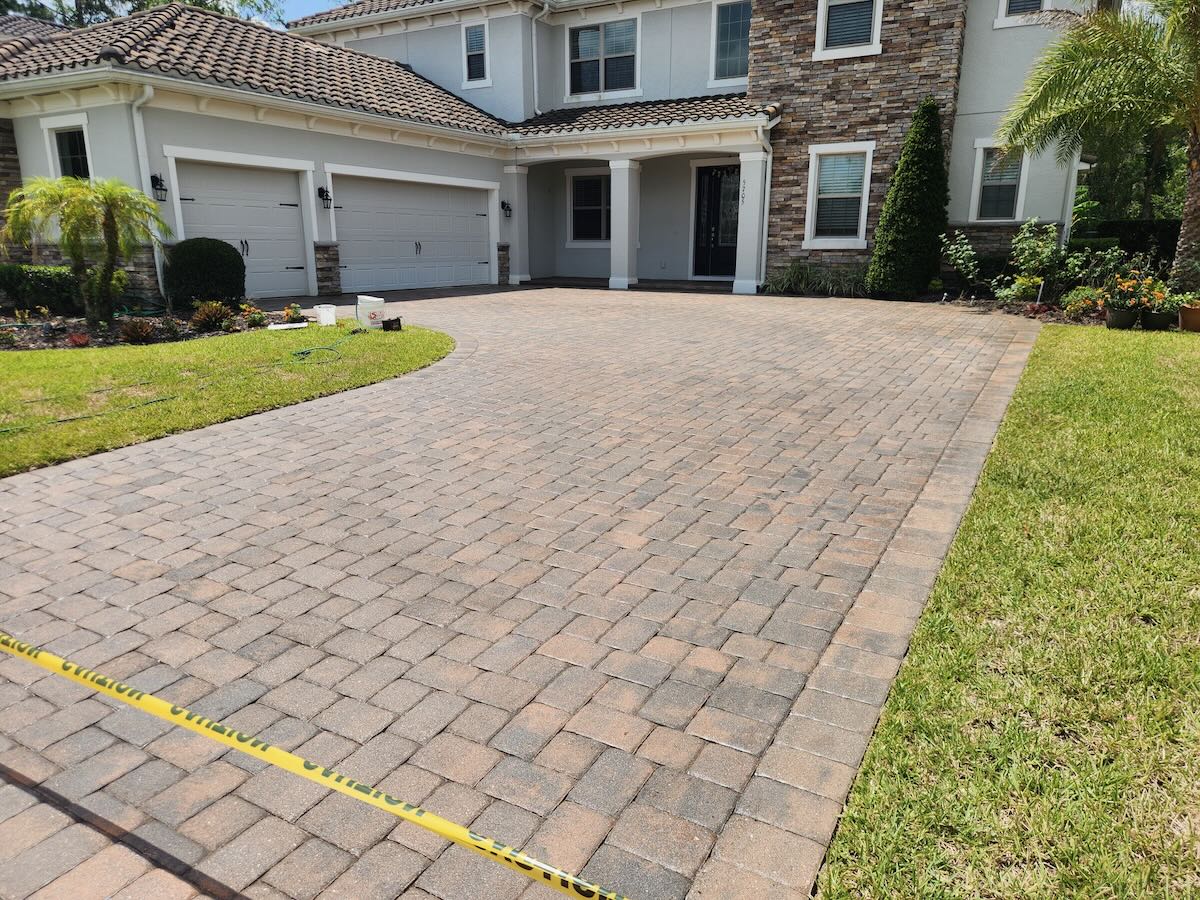
Before and after paver stripping and sealing by Castle Clean & Seal on a project in Debary, Florida.
WHY WATER-BASED SEALER IS THE PROFESSIONAL STANDARD FOR FLORIDA
Water-based paver sealer was essentially engineered for climates like Florida's. Here's why it outperforms solvent-based in every category that matters for Central Florida homeowners.
It Breathes
The breathable film created by water-based sealer allows moisture vapor to pass through while still protecting the paver surface from water, stains, and UV damage. This means Florida's ever-present humidity, ground moisture, and irrigation overspray can evaporate naturally without getting trapped. No trapped moisture means no white hazing — the problem that plagues solvent-based sealers in this climate.
It's Waterproof on Contact
The water-based sealer we use at Castle Clean & Seal is waterproof as soon as it's applied. This is a massive advantage in Central Florida, where afternoon thunderstorms can appear with little warning during the summer months. If a passing shower hits a freshly sealed surface, it won't permanently damage the job. This is one of the key reasons we're able to seal year-round — including during the rainy season — while companies using solvent-based products often can't.
It Can Be Applied Over Damp Surfaces
Because the sealer's carrier is water, it doesn't require bone-dry pavers for application. After our pressure cleaning step, we can move to sealing much faster than a company using solvent-based products. This reduces the overall project timeline and eliminates the risk of rain or humidity re-contaminating the surface during a long drying period.
Lower VOCs and Safer for Your Family
Solvent-based sealers contain high levels of volatile organic compounds — the chemicals responsible for that strong, gasoline-like smell during and after application. These fumes can linger for hours and are harmful to breathe, especially for children, pets, and anyone with respiratory sensitivities. Water-based sealers have significantly lower VOC levels, meaning less odor, safer application, and no lingering chemical smell around your home.
It Won't Yellow Over Time
Solvent-based sealers are prone to yellowing under prolonged UV exposure — a significant issue in the Sunshine State. The yellowing happens gradually, so homeowners often don't notice until the discoloration is significant. Water-based sealers resist UV yellowing, maintaining a cleaner, more natural appearance over their full lifespan.
No Stripping Required for Resealing
When water-based sealer reaches the end of its life (typically 2–3 years in Central Florida), it wears away gradually rather than peeling or flaking. This means resealing is straightforward — clean the pavers, prep the surface, and apply new sealer directly over the existing coat. No chemical stripping required. This saves significant time and money on every maintenance cycle and keeps your long-term paver care costs lower.
WHAT ABOUT THE FINISH? WET LOOK VS MATTE VS NATURAL
One of the most common reasons homeowners consider solvent-based sealer is the high-gloss "wet look" finish it's known for. If you've seen a neighbor's pavers with that deep, shiny, just-rained-on appearance, there's a good chance it was a solvent-based product — at least for the first few months before it started hazing.
The good news is that modern water-based sealers offer a range of finish options that rival solvent-based products without the drawbacks.
Wet Look (Enhanced Color)
Premium water-based sealers can deliver a rich, enhanced "wet look" that brings out the natural color of your pavers. It's not quite as glossy as the initial application of solvent-based sealer, but it holds that appearance consistently for 2–3 years rather than degrading within months. And you'll never get the white hazing that destroys the wet look on solvent-based jobs.
Matte/Satin Finish
If you prefer a more natural appearance, water-based sealers can provide a matte or satin finish that protects your pavers without significantly changing how they look. This is popular for travertine and natural stone where homeowners want protection without the "sealed" appearance.
Natural Finish
Penetrating water-based sealers soak into the paver without leaving any visible film on the surface. The pavers look completely natural while still getting protection from stains, moisture, and UV fading. This is the most subtle option and works well for homeowners who want invisible protection.
At Castle Clean & Seal, we discuss finish options with every homeowner during the quoting process. Most of our customers in Deltona, Daytona Beach, Orlando, Sanford, and across Central Florida choose the enhanced wet look because it delivers the most dramatic visual improvement — and with water-based sealer, that enhanced look actually lasts.
💡 Castle Pro Tip
If you want the enhanced wet look but are worried it won't be glossy enough with water-based sealer, ask to see photos of recent projects. At Castle Clean & Seal, we show every customer real before-and-after photos from homes in their area — not stock images. The color enhancement from a quality water-based sealer is dramatic, and it actually holds that look for years instead of hazing over in months.
HOW TO TELL WHAT SEALER IS CURRENTLY ON YOUR PAVERS
If your pavers have been previously sealed and you're not sure what type of sealer was used, there's a simple test you can do at home.
The Xylene Test: Pour a quarter-sized amount of xylene (available at most hardware stores) on an area that still has sealer on it — typically a corner or edge with less foot traffic. Let it sit for about 15 seconds, then wipe it off and touch the area. If the surface feels tacky or sticky, the existing sealer is solvent-based. If it feels unchanged, it's water-based.
This matters because of compatibility. Water-based sealer can go over bare pavers or over existing water-based sealer. Solvent-based sealer can go over bare pavers or existing solvent-based sealer. But applying water-based over solvent-based (or vice versa) without stripping first will cause adhesion failure.
If your pavers currently have a failing solvent-based sealer — white hazing, peeling, flaking — the old sealer needs to be chemically stripped before water-based sealer can be applied. This is additional work, but it's a one-time investment that gets you off the solvent-based cycle permanently. Every reseal after that will be simpler and less expensive because water-based doesn't require stripping.
⚠️ Common Mistake
Never apply water-based sealer over existing solvent-based sealer — or vice versa — without stripping the old product first. The two chemistries are not compatible. Applying one over the other causes the new sealer to peel and flake within weeks, and you'll end up paying for stripping plus resealing. If you're not sure what's on your pavers, do the xylene test or have a professional check before any new sealer goes down.
WHAT CASTLE CLEAN & SEAL USES AND WHY
We exclusively use a premium water-based sealer that was manufactured specifically for Florida's humid, subtropical climate. Here's why we chose it — and why we'll never switch to solvent-based.
It performs in Florida's real conditions. We don't seal pavers in a laboratory. We seal them in Deltona in August, in Daytona Beach during afternoon storms, in Orlando in the middle of summer. Our sealer was designed for exactly these conditions — high humidity, frequent rain, intense UV exposure, and high ground moisture from Florida's shallow water table.
It's waterproof as soon as it's applied. This is a non-negotiable requirement for us. We need to be able to seal year-round for our customers, and we need to know that an unexpected shower won't destroy the work we've done. Our sealer delivers that confidence on every project.
It supports our Castle Shield 4-Step System. Our process — weed and mold treatment, pressure cleaning, Joint sand stabilization, and multi-coat sealer application — is designed as a complete system. The water-based sealer locks in the sand, bonds to the clean paver surface, and creates a breathable barrier that works with Florida's climate rather than against it. Every step reinforces the next.
It lets us stand behind every project. We offer warranties ranging from 18 to 30 months depending on the service package, and we back those warranties completely. We can do that because we trust our products to perform in every season. If significant rain impacts a recently completed project and the finish doesn't look the way it should, we come back and make it right — no extra charge. That's a promise we can only make because our sealer is designed for this climate.
If your pavers need protection — whether it's a new seal or correcting a failed solvent-based job — request your free same-day quote or call us at (386) 215-5461. We serve homeowners across Deltona, Daytona Beach, Orlando, Sanford, Lake Mary, Port Orange, Ormond Beach, and 50+ other cities throughout Volusia, Seminole, and Orange Counties.
Is water-based or solvent-based sealer better for pavers in Florida?
Why does paver sealer turn white in Florida?
Can you apply water-based sealer over solvent-based sealer?
How long does water-based paver sealer last in Florida?
How much does it cost to seal pavers with water-based sealer in Central Florida?
READY TO PROTECT YOUR INVESTMENT?
GET YOUR FREE SAME-DAY
QUOTE
Join 1,135+ happy Central Florida homeowners. Licensed & insured.
Takes 30 seconds · Same-day response · No obligation