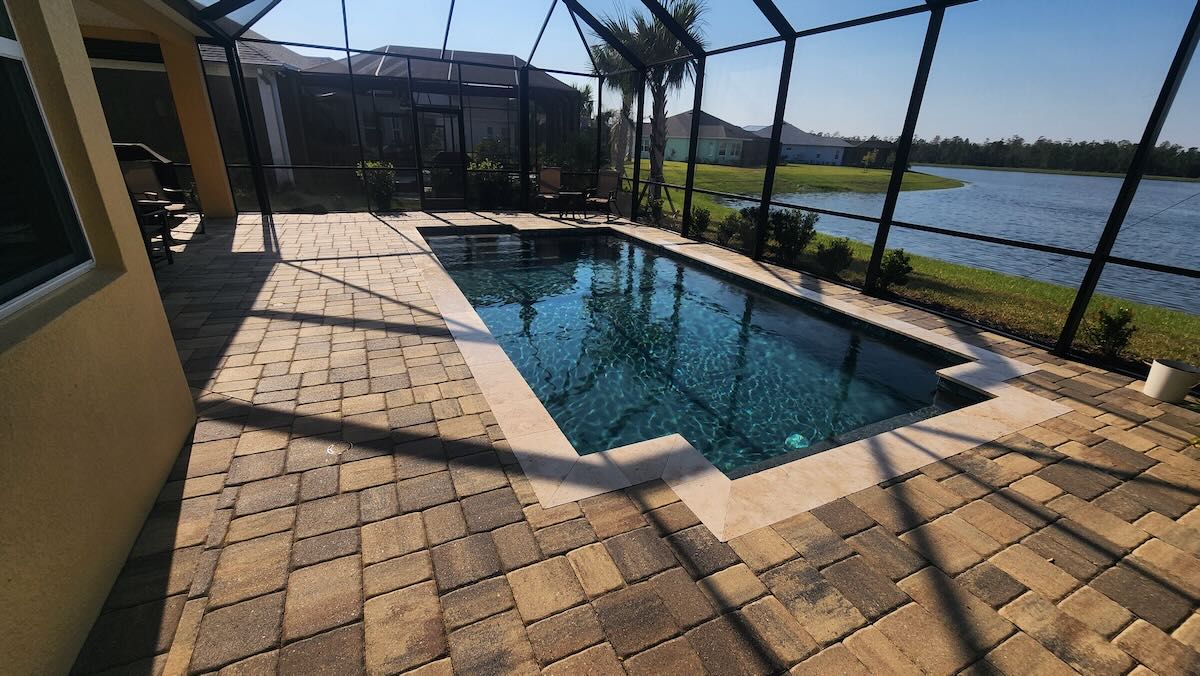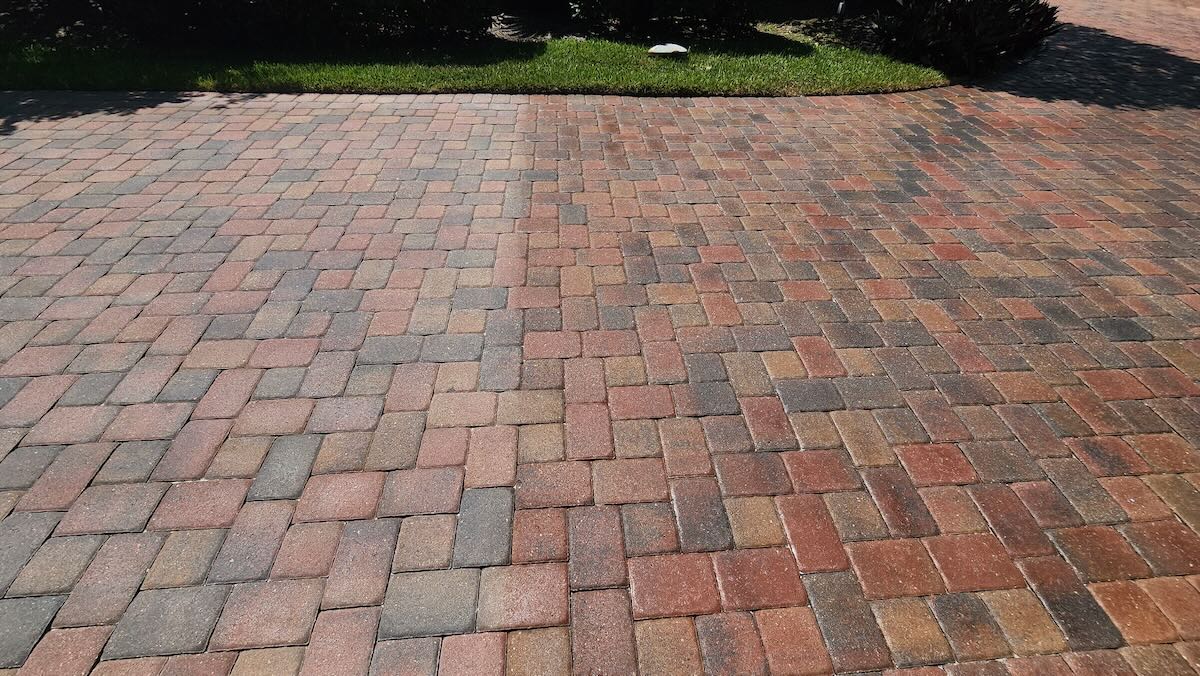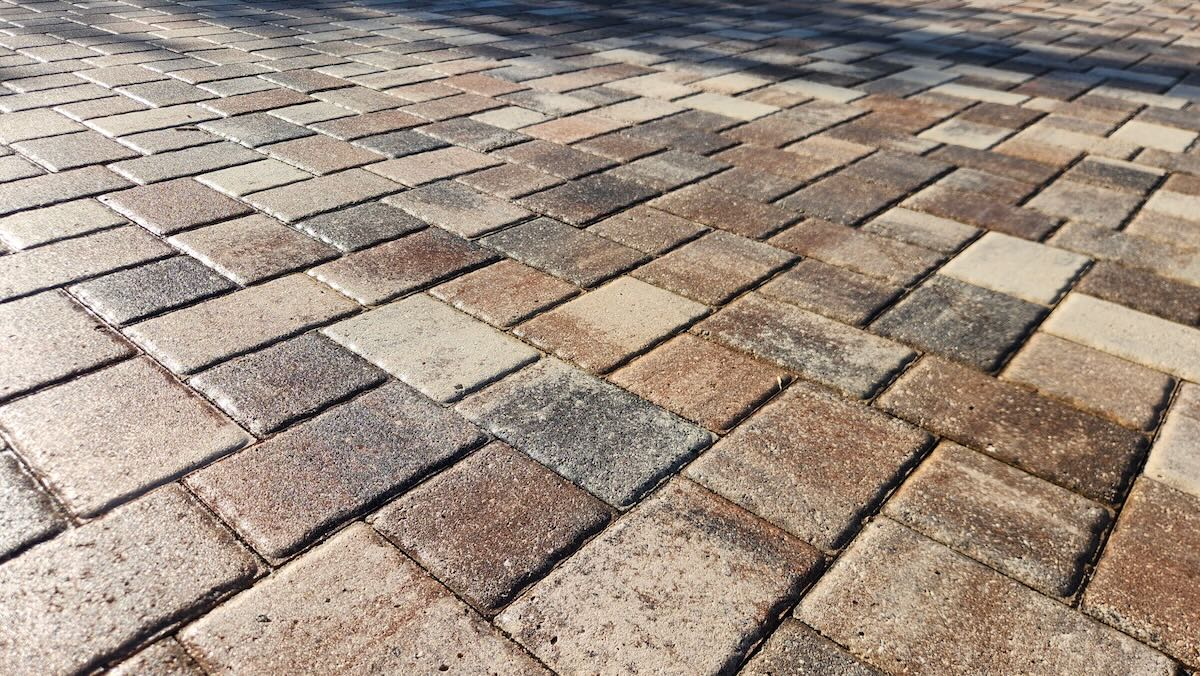
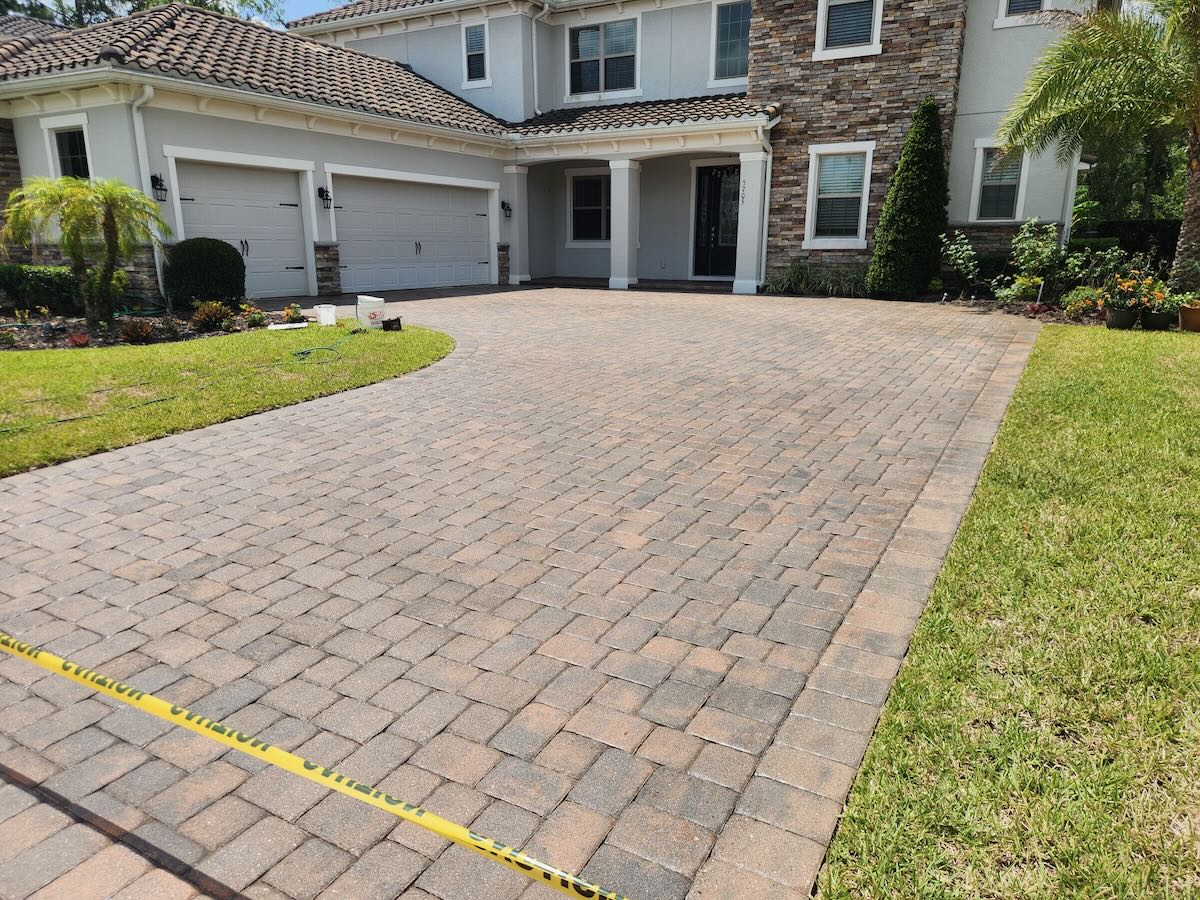
Freshly sealed driveways need time to dry before cars, foot traffic, and irrigation return.
Key Takeaway
In Central Florida, driveway sealer is typically dry to the touch within 1 to 3 hours and safe for foot traffic within 4 to 6 hours. Full cure takes 24 to 72 hours depending on humidity, temperature, and sealer type. Rain within the first 4 to 6 hours is the biggest risk. Water-based sealer handles Florida's humidity far better than solvent-based sealer and is the right choice for this climate.
How Long Does Driveway Sealer Take To Dry in Florida?
This is one of the most common questions homeowners ask after scheduling a paver sealing job. The short answer: driveway sealer in Central Florida is usually dry to the touch in 1 to 3 hours and safe for foot traffic in 4 to 6 hours. You should keep vehicles off the surface for 24 to 48 hours, and full cure typically wraps up within 48 to 72 hours.
But here is the part most guides skip: Florida does not behave like the rest of the country. High humidity, afternoon rain showers, and ground moisture mean that dry time rules written for Arizona or the Midwest do not apply here. If you are in Deltona, Daytona Beach, Orlando, or anywhere else in Central Florida, you need guidance written for our climate.
Dry Time vs. Cure Time: Not the Same Thing
These two terms get mixed up all the time, and confusing them leads to damaged driveways.
Dry time is how long it takes the surface to stop feeling wet or tacky. You can walk on it without leaving footprints. The sealer film has formed on top.
Cure time is how long the sealer takes to fully harden and bond to the paver surface underneath. During cure, the coating is still vulnerable. A car tire spinning on a driveway that is dry but not fully cured can leave permanent tire marks. Heavy rain during cure can create water spots, cloudiness, or soft patches in the film.
Think of it like painting a wall. The paint might feel dry to the touch in an hour, but you would not put tape over it the same day without risking damage.
Florida-Specific Factors That Affect Dry Time
1. Humidity
Central Florida humidity is not a minor variable. It is the main variable. On a calm summer morning in DeLand or Sanford, humidity can sit at 80 to 90 percent before the sun even heats things up. High humidity slows evaporation, which slows the sealer film from forming and hardening.
This is one reason why solvent-based sealers are risky in Florida. They rely on solvents evaporating quickly to leave the coating behind. When the air is already saturated with moisture, that evaporation slows down, and moisture from the ground or the air can get trapped beneath the coating before it fully cures. That trapped moisture turns into the white haze and cloudy sealer film that homeowners hate seeing the day after a job.
A quality water-based sealer is breathable. It allows moisture vapor to pass through the coating rather than sealing it in. That makes it far more forgiving in a humid climate like ours.
2. Temperature
Heat speeds up dry time, but extreme heat comes with its own risks. In July and August, Central Florida pavers can reach surface temperatures of 130 to 150 degrees Fahrenheit by mid-afternoon. Applying sealer to a surface that hot can cause the coating to dry unevenly, flash too fast, or form bubbles.
Professional crews here typically aim for early morning applications when the surface is cooler, the air is calmer, and there is a longer window before afternoon rain.
3. Rain
Florida's afternoon thunderstorm pattern is the single biggest scheduling challenge for paver sealing jobs. Rain hitting freshly applied sealer within the first 4 to 6 hours can wash out or streak the coating before it has set. Even a brief 15-minute shower during that window can ruin hours of work.
The target is at least 4 to 6 hours of dry weather after application, with 24 to 48 hours without heavy rain being the ideal window for full cure protection.
This is why good contractors in Central Florida check weather radars closely, often start jobs early in the morning during dry season, and will reschedule a job if the forecast looks risky.
4. Surface Moisture
Even if it has not rained recently, pavers in Florida can hold moisture. Irrigation systems, overnight dew, shaded areas that do not dry out in time, and porous paver materials all contribute. Sealing over damp pavers is one of the top causes of white haze and sealer failure in this region.
A proper prep process addresses this before a single drop of sealer is applied.
Dry Time by Sealer Type
Not all sealers dry on the same schedule, and the type of sealer matters for Florida homeowners.
Water-based sealer is the right choice for Central Florida driveways and patios. It typically dries to the touch in 1 to 2 hours, allows light foot traffic in 4 to 6 hours, and reaches full cure in 24 to 48 hours under good conditions. It is breathable, which means moisture from below or from humidity does not get locked in.
Solvent-based sealer may dry to the touch in a similar window, but it creates a non-breathable film over the paver surface. In Florida's humid climate, moisture from the ground or the air can become trapped beneath that film before it fully cures. The result is often white cloudiness, blushing, or peeling. This is a well-documented problem in our region and one of the most common reasons homeowners call us after having a different company do the job.
If you want to read more about the differences, we have a full breakdown at Water-Based vs. Solvent-Based Paver Sealer in Florida.
What Happens If You Drive On It Too Soon?
This is where a lot of homeowners run into problems. The driveway looks dry and they drive on it the same afternoon.
Here is what can happen when you use the surface before full cure:
Tire marks: Soft sealer picks up rubber marks from turning or braking. These marks are often permanent.
Scuffing: Foot traffic during early dry time can leave scuff marks or dull patches in the finish.
Delamination: Pressure on a partially cured coating can cause it to separate from the paver surface in spots.
Water damage: A car dripping condensation or sitting in standing water on an uncured surface can leave water rings.
The safe rule for Central Florida driveways: foot traffic after 4 to 6 hours, vehicles after 24 to 48 hours, full normal use after 72 hours.
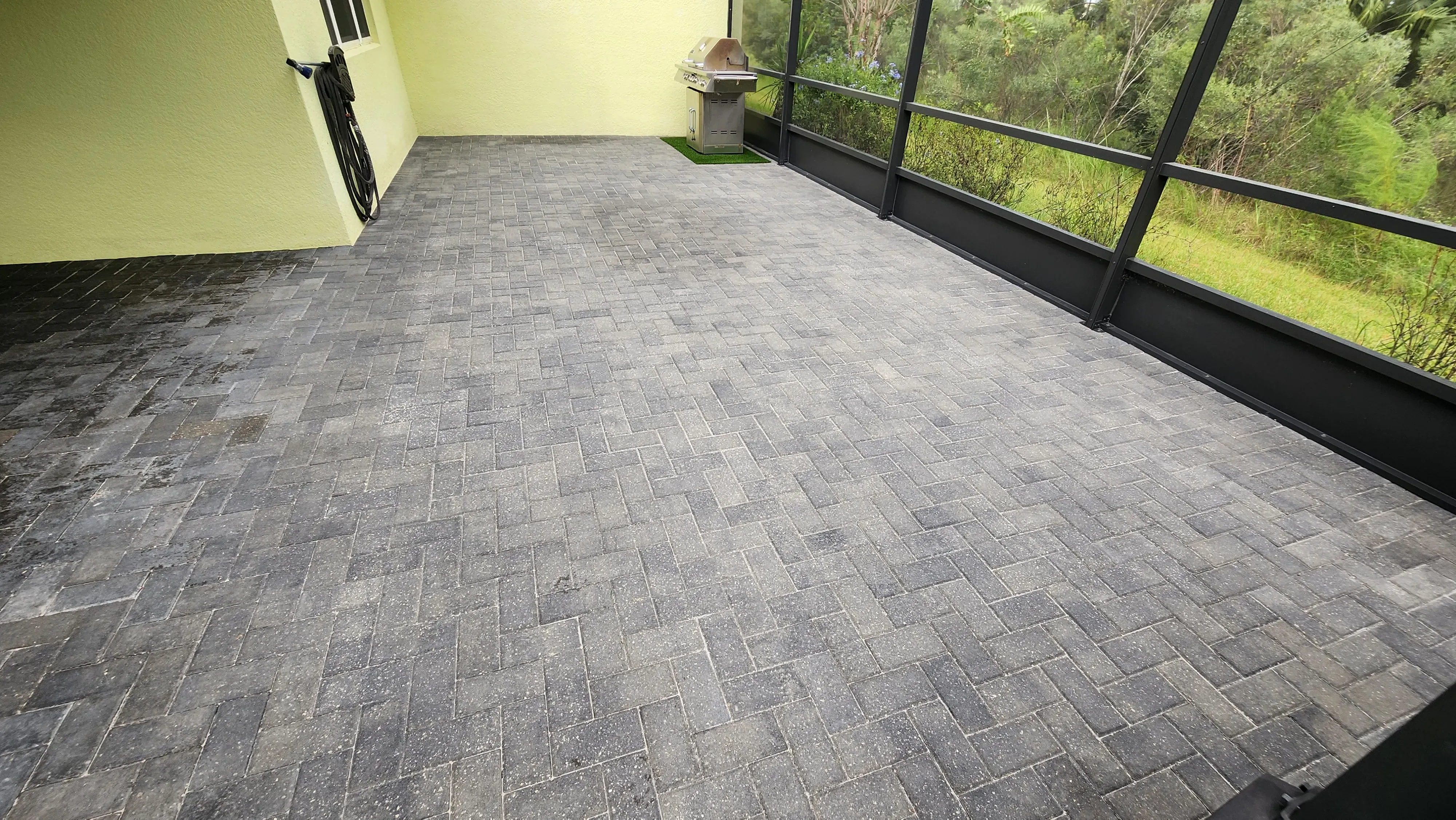
BEFORE
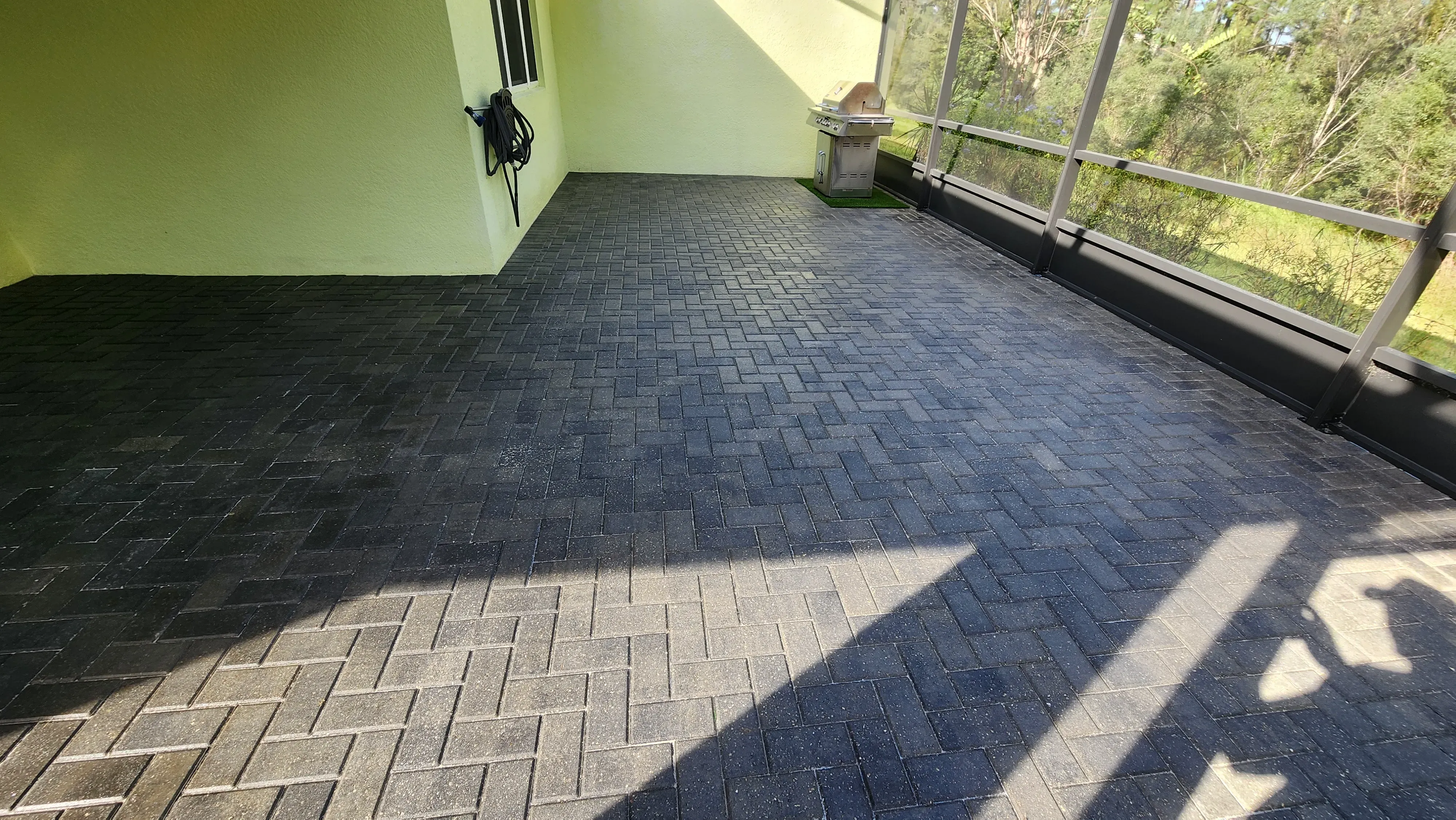
AFTER
Before and after a Castle Shield clean and seal on a Central Florida paver driveway. Proper prep and dry time windows make the difference between a job that lasts and one that fails.
The Castle Shield Process and Why Prep Affects Dry Time
At Castle Clean and Seal, we follow a 4-step system on every driveway and patio job. The reason prep matters so much for dry time is simple: sealer applied over a dirty or wet surface does not cure the same way sealer applied over a clean, dry surface does.
Here is how each step connects to a successful dry and cure window:
Step 1 – Treat mold, algae, mildew, and weeds
We apply a biodegradable algaecide to kill organic growth at the source. This matters for dry time because mold and algae hold moisture. Sealing over active biological growth means the sealer is bonding to something wet and alive, not to the paver surface itself.
Step 2 – Deep clean with high-volume, low-pressure washing
We clean the surface thoroughly before sealing. We also allow proper drying time after the wash before the sealer goes down. Rushing from wet wash to sealer application is one of the fastest ways to cause white haze.
Step 3 – Stabilize joints with joint-stabilizing sand
Refilling and stabilizing paver joints reduces weed growth and keeps the paver structure tight. Stable joints also reduce the amount of movement and moisture migration through the paver base, which supports a longer-lasting seal.
Step 4 – Apply 2 to 3 coats of premium water-based sealer
We use a breathable, water-based sealer formulated for Florida conditions. Multiple coats applied in thin, even layers cure more predictably than one thick coat. Thick sealer applications trap solvents or water underneath and are more prone to cloudiness, bubbling, and peeling.
Signs Your Sealer Was Applied Under the Wrong Conditions
If sealer was applied when the surface or weather conditions were not right, you may notice these signs during or after drying:
White haze or cloudy film – Usually moisture trapped beneath the coating. Common with solvent-based sealer or sealer applied over damp pavers. This is covered in detail at Paver Sealer Turning White in Florida.
Bubbling or blistering – Often caused by outgassing from a paver surface that was too hot or too wet when sealed.
Peeling or flaking – Adhesion failure, usually from surface contamination, incompatible sealer layers, or moisture issues.
Uneven sheen – Can result from uneven application, a surface that dried at different rates due to shade or pooling water, or sealer applied in direct midday heat.
If you are seeing any of these issues, do not apply another coat on top. Sealing over a failed coating almost always makes the problem worse. The right fix is stripping the failed sealer, cleaning the surface properly, and resealing with the right product under the right conditions.
Best Time of Year To Seal a Driveway in Central Florida
If you have control over timing, aim for the dry season. In Central Florida that runs roughly October through May. February, March, and April tend to give the most consistent weather windows with lower humidity and fewer afternoon storms.
That said, our team seals driveways and patios year-round. Florida's rainy season from June through September does not make sealing impossible. It just requires tighter weather planning, earlier start times, and using a water-based sealer that handles humidity without failing.
For more detail on timing, read our full guide at Best Time To Seal Pavers in Central Florida.
How Much Does Driveway Sealing Cost in Central Florida?
For most Central Florida homeowners, professional paver sealing runs between $1.50 and $3.00 per square foot, with most projects falling in the $1,000 to $3,000 range depending on driveway size, surface condition, and how much prep is needed.
Jobs that require stripping failed sealer before resealing will cost more than a standard clean and seal. Getting the job done right the first time is almost always cheaper than repairing a failed sealer coating later. You can find detailed pricing information at Paver Sealing Cost in Central Florida.
Serving Central Florida From Deltona to Orlando
Castle Clean and Seal is based in Deltona and serves homeowners across Volusia, Seminole, and Orange Counties. Whether you have a paver driveway in Daytona Beach, a pool deck in Winter Park, a patio in Lake Mary, or a walkway in DeLand, our process is built for Florida conditions.
With more than 1,135 projects completed, 250-plus five-star reviews, and 15-plus years of experience sealing driveways and patios across the region, we know how Florida weather, humidity, and soil conditions affect every step of the process.
If you have questions about your driveway, want a free estimate, or are dealing with white haze or peeling sealer from a previous job, give us a call at (386) 215-5461.
Castle Clean and Seal is licensed and insured. Serving Volusia, Seminole, and Orange Counties in Central Florida.
How long does driveway sealer take to dry in Florida?
Can it rain after sealing a driveway?
Why does my driveway sealer look white or cloudy after drying?
How long should I wait before driving on a sealed driveway?
Is water-based or solvent-based sealer better for a Florida driveway?
READY TO PROTECT YOUR INVESTMENT?
GET YOUR FREE SAME-DAY
QUOTE
Join 1,135+ happy Central Florida homeowners. Licensed & insured.
Takes 30 seconds · Same-day response · No obligation